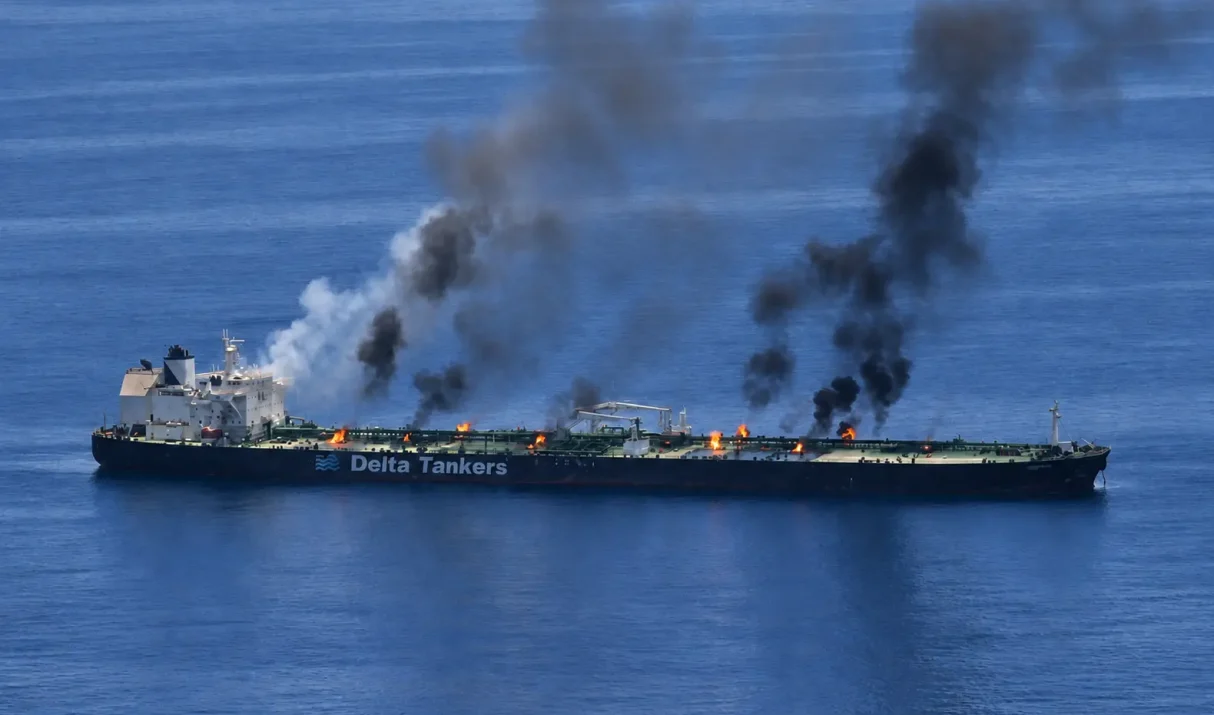

Renewed violence in the Middle East, including American claims to have destroyed five Iranian tankers, pushed the oil price to peak at $104 per barrel this week. That’s bad news for the global economy and stock markets. No wonder Japanese shares fell by 2% on Friday, albeit with America and Britain maintaining marginal gains.
But the ‘forever fund’ benefited substantially from its diversified portfolio, with my biggest holding seeing its share price surge 3.5% higher in a day (it’s been a ten-bagger for years now) on long-awaited new products. Meanwhile, a high-flying tiddler announced a £202m uplift, doubling the value of its biggest holding, which is expected to add more than a third to this investment trust’s net asset value (NAV) when that is updated at the end of this month.

Nobody who was an adult on 9/11 will ever forget where we were on that tragic day when terrorists destroyed the World Trade Center in New York, causing the deaths of 2,977 innocent people. Nothing can ever subtract from that human tragedy and the scale of those catastrophic events, although historians and politicians very properly continue to analyse how the world changed on September 11, 2001.
Less obviously, the 25th anniversary of 9/11 today also demonstrates humanity’s capacity to recover in time from the most unimaginable setbacks. While historians and politicians focus on the human tragedy, with due respect it falls to this column to consider how the Twin Towers disaster impacted the economy and stock market.

Apple (stock market ticker: AAPL) will launch its first foldable iPhone tomorrow as incoming chief executive and former head of hardware engineering, John Ternus, heralds a new era of innovation. But with a price tag above $2,000 (£1,480), will 1.5 billion active iPhone users buy, twist or fold?
Shares in the world’s second-most valuable company slipped 2.5% lower yesterday as investors fretted that the long-awaited launch, dubbed ‘Surprise and Shine’, might flop. But company insiders insist it is “about to start the biggest run of device releases in its history, delivering a wave of fresh form factors and whole new product areas in 2026, 2027 and beyond”.
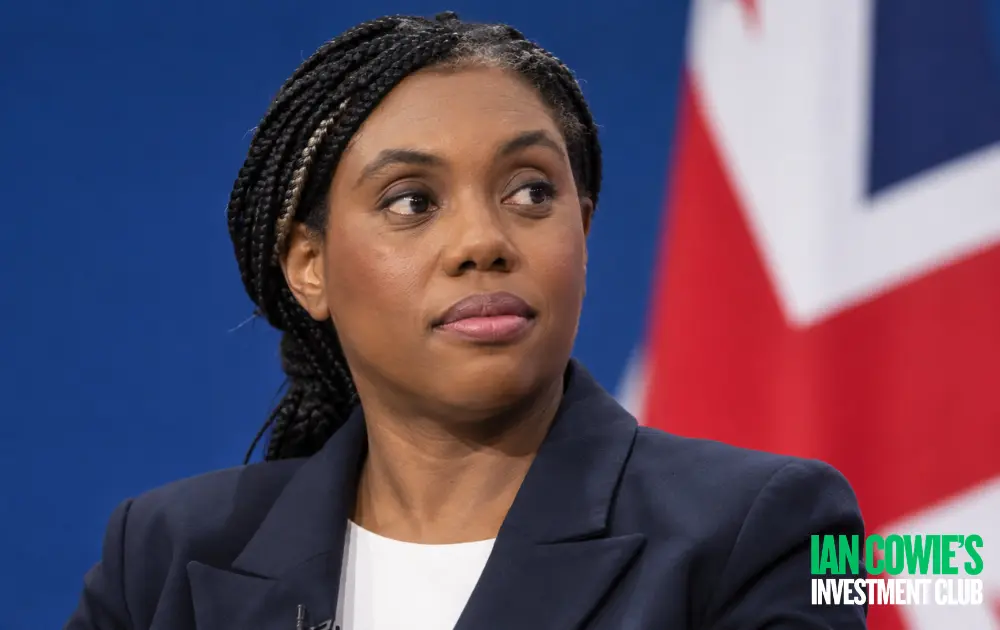
Kemi Badenoch, the Conservative leader, sounded cruel but shrewd when she targeted the key questions for state spending and stock market investors this week. What’s our priority? Welfare or warfare: bullets or benefits?
Since Russia’s full-scale invasion of Ukraine on February 24, 2022, the economic question has become an existential one. National sovereignty means nothing unless you can defend it.
Now Argentina is challenging Britain’s ability to preserve the independence of the Falkland Islands, established by force of arms 44 years ago, Prime Minister Andy Burnham could be forgiven for feeling under attack from all sides.

Wars in the Middle East and Ukraine are human tragedies and economic disasters about which most individual investors can do precisely nothing.

Shareholders get a bad press for putting our life savings at risk in the hope of receiving capital growth or dividend income. Yah, boo, hiss!
However, we also help to pay for medical research that can find cures for illnesses that kill millions of people. For example, obesity is now linked to a wide range of potentially fatal conditions – including cancer, heart attacks and strokes – that mean many folk are effectively digging their own graves, one spoonful at a time.